
When it comes to elections, most of the attention goes to the races at the top of the ballot. Congress. The White House. Maybe a few governor’s offices.
But some of the officials with the most direct influence over our jobs, wages, and working conditions are found a lot closer to home.
Local elected leaders make decisions every day about public contracts, municipal budgets, infrastructure projects, and essential services. For Teamsters and other union workers, those decisions can determine things like who operates school buses, how public works departments are funded, and ultimately, whether taxpayer dollars support good-paying union jobs.
Chances are, you’ve gotten to the bottom of your ballot and come across a candidate whose name you don’t recognize, running for an office whose responsibility you’re not sure of. These races rarely attract much attention, but the people elected to these positions can have a significant say in decisions that impact working people.
Here are six examples of why the races further down your ballot deserve a closer look.
City Councils
From sanitation and waste collection to road construction and public infrastructure projects, city councils make decisions that affect workers across countless industries.
They often control budgets, fund public services, establish local labor policies, and in some communities, approve collective bargaining agreements.
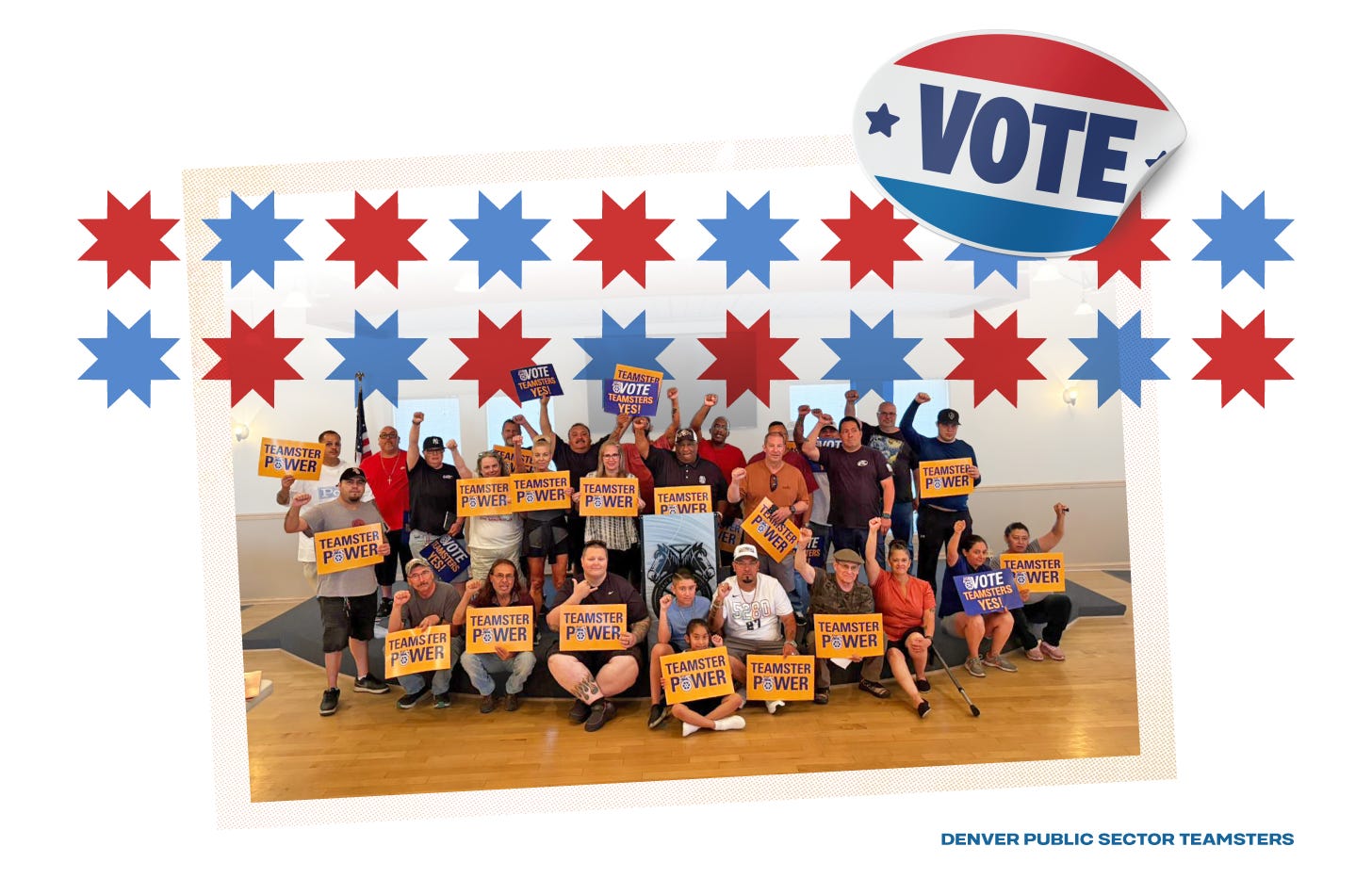
In Colorado, nearly 750 city and county employees in Denver, including workers in transportation, infrastructure, and administrative services, recently joined Teamsters Local 17 and Local 455. As they work toward securing their first collective bargaining agreements, the officials elected to oversee their city government can make the difference between securing fair wages and strong benefits or facing resistance at the bargaining table.
Township Supervisors
In Pennsylvania, voters in many areas elect township supervisors who oversee zoning regulations, development proposals, and other land-use policies. These officials have a say in what distribution centers and warehouses are approved, where they are built, and what requirements developers must meet.
For workers, those decisions shape where new jobs are created, whether existing facilities can expand, and how increased truck traffic affects the roads they travel every day.
While township supervisors may not directly determine the wages or benefits of workers employed at these facilities, their decisions can affect the jobs that are created for Teamsters in freight, warehousing, and logistics for years to come.
County Commissioners
From plowing snow to repairing roads and maintaining bridges, county public works employees provide essential services that communities depend on every day. County commissioners oversee many of these departments, including their budgets, staffing, and, in some jurisdictions, collective bargaining agreements.
In Minnesota, St. Louis County public works employees — including snowplow operators, mechanics, and bridge workers — are represented by Teamsters Local 320 and recently ratified a new contract with the St. Louis County Board of Commissioners. For these workers, decisions made by county officials can directly affect their wages, benefits, staffing levels, and the equipment and resources available to perform their jobs safely.
School Boards
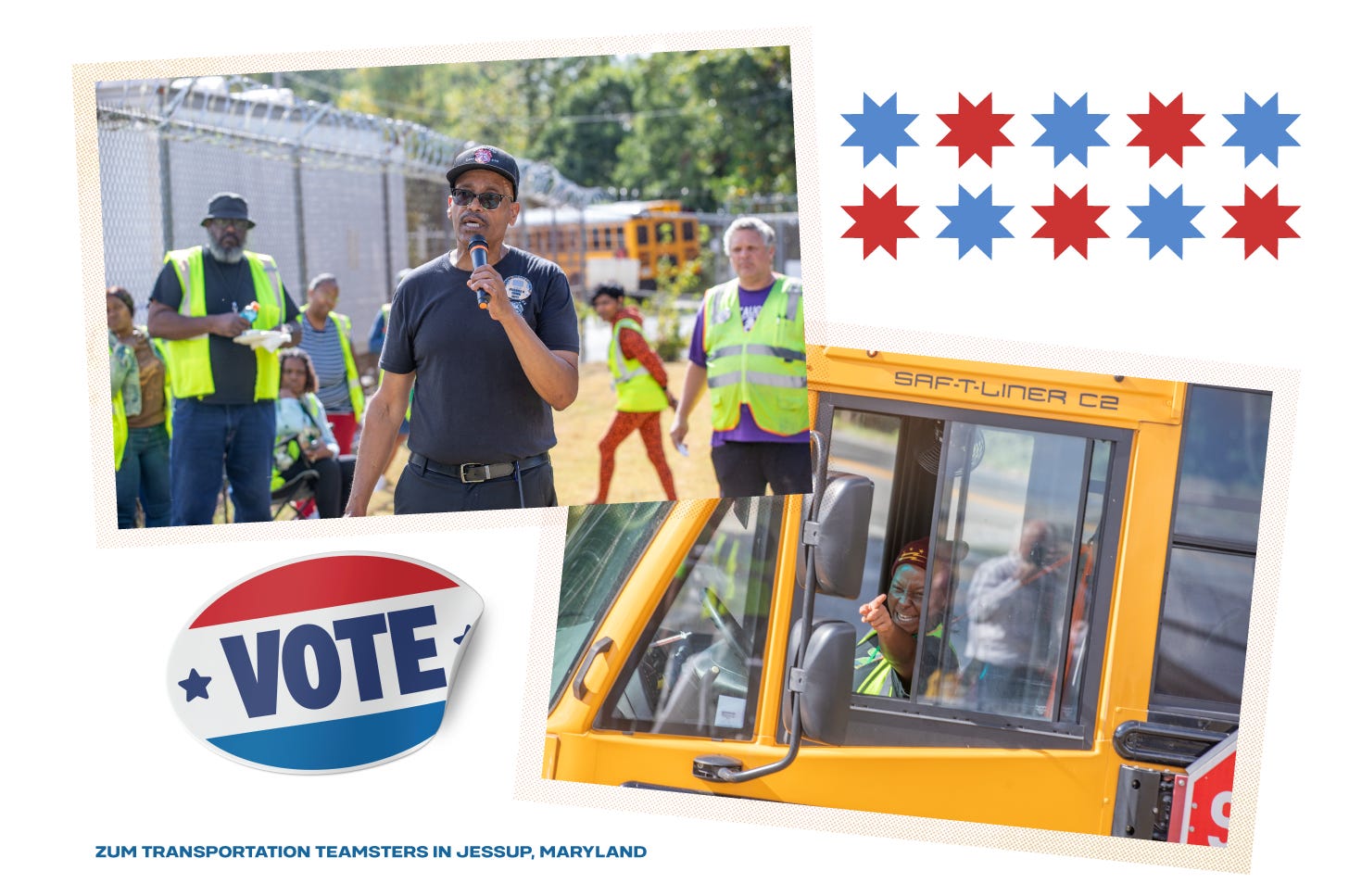
School boards are responsible for much more than what happens inside the classroom. In districts across the country, elected board members also oversee transportation budgets and approve contracts with private companies that operate school buses.
In Maryland, for example, school boards are responsible for approving agreements with transportation providers like Zum, giving them a say in which company is responsible for transporting students and under what terms.
For Teamsters school bus drivers, these decisions can have significant consequences. When a district changes transportation providers or awards a new contract, workers may face uncertainty about their jobs, wages, benefits, and seniority protections — but electing school board members who prioritize workers’ interests ensures that those factors are given serious consideration alongside the district’s transportation needs.
Boards of Finance
Local government budgets aren’t just numbers on a spreadsheet. They help determine how much money is available to hire municipal workers, maintain utilities, and deliver essential public services.
In Connecticut, most towns elect boards of finance that are responsible for reviewing municipal budgets and overseeing local spending. Depending on the town, these boards may recommend or approve funding for police and fire departments, public works, road maintenance, and other services.
Board members may not directly negotiate labor contracts, but those spending decisions can make a real difference for the people doing the work, particularly when it comes to wages and benefits. For Teamsters working for municipalities or companies providing a public service, the choices made by a town’s board of finance will impact what their job looks like long after the budget is approved.
Every Race Matters
The responsibilities of local elected officials may vary from state to state, but one thing remains the same: their decisions have consequences that extend well beyond city halls, school board meetings, and county offices.
That’s why Teamsters can’t afford to overlook the races further down the ballot.
Before Election Day, take a few minutes to learn who is running for local office, what responsibilities those positions carry, and where the candidates stand on issues that matter to working families.
The headlines may focus on the races at the top of the ticket. But for Teamsters, some of the biggest stakes are often found at the bottom of the ballot.